
Friends.
Happy New Year!
2026 is shaping up to be a transformational one for the whole of humanity. Strap yourselves in for a wild ride.
Of course we’ll be here to make sure you have an appropriate soundtrack: relaying the Foundations every Friday and bringing some new exciting developments soon to be announced.
For now, I’m thankful to Stef for kicking off the year with the second part of his Peter Adshead / Baby Ford deep dive. Truly one of the most talented and influential producers in this electronic music game.
Enjoy.
Rubin.
PETER FRANK ADSHEAD, PART 2
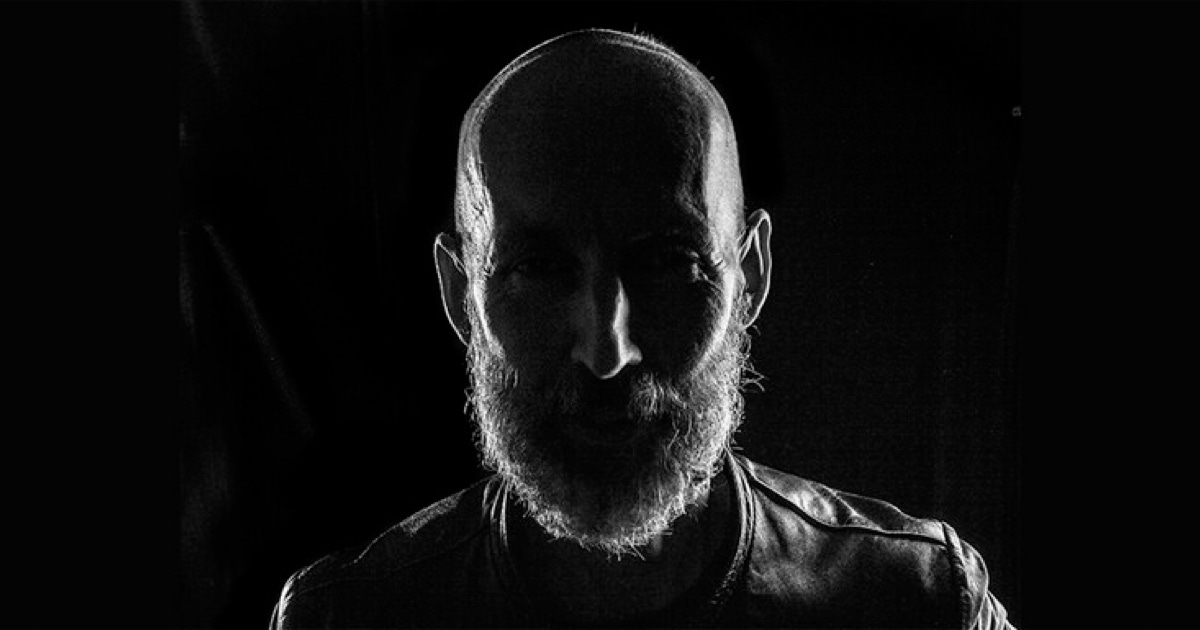
In Part One, I focused on Peter Adshead’s Baby Ford alias, and his releases during the developing rave scene and into the 1990s and early 2000s. However, he also released under the aliases Doucen, Konrad Cadet, Marylebone Affair, Peter Adshead, Peter Ford, and Twig Bud.
There are singular releases from four of these in the early nineties; two are worth highlighting, which I will come to later.
Firstly, I will go through his collaborative work.
ALLSTARS
Andy Turner, Dave Hill, Ed Handley, Mark Broom, and Steve Pickton. They released one EP in 2005 called ‘Old Skool Reunion’. I talked about this previously here.
BABY FORD AND THE IFACH COLLECTIVE
Three releases between 2000 and 2001 with Cheru Amadi, Ian Loveday, Mark Broom, and Thomas Melchior which are strangely minimal in feel, like that of material on PAL SL. However there is more emphasis placed on applying more strength and depth, even drive, by enhancing melody and rhythm, yet still keeping that minimal compound in play which makes the work here even more intriguing to listen to.
Sacred Machine EP
The two tracks and timestamps described below refer to the video linked above.
’24 Hr’ at 37.38 four-by-four meter, and four beats to a bar, with its haunting feel from those synth piano chords, two in number, the first chord played but still held when the other comes in, blending which causes dissonance: on repeat, giving an echoing appearance: accompanied by subtle percussion placements. Then a synth-based sound of two beats per beat, starting at 38.26, with two small pauses at 38.46 and 39.01, adding incredible tension to the already haunting feel by pronouncing each beat. At around 45.00, layers start fading, leaving beats and the lovely hollow sound on the first and third beats of a bar, which drop out momentarily a couple of times before returning. The subtle percussion comes in until the synth piano returns at 48.14. His ability to rhythmically richly layer tracks with meticulous precision, creating the depth he does, is quite phenomenal, and here, even though this track is minimal, it is incredibly driving. Outstanding.
‘Bad Friday’, at 11.34, oh boy, this is so good. A four-by-four meter, and four beats to a bar, with a closed then open high hat on the first and second beat, which repeats: tick tock sensation with a looped melody on the off beat repeating every bar, layered with other percussion lines, like the interesting shaker sound which is sixteenth note over four beats, which makes four beats per beat, additionally, an echoing metallic sheet sound, like waves that come and go through its entirety. However, before this comes in at the beginning, there is a burbling/murmuring sound, resembling a spoken sound that comes in quietly and does not increase, and then the metallic sheet sound takes centre stage. At 19.45, the shaker sound stops; the melody’s rhythmic pattern changes. Introducing a reflective rhythmic pattern and then adding the initial melody line, the production switches between them, creating a temporary, slightly wobbly effect, and the shaker resumes as before. Excellent track.
The Healing EP
Also worth checking out.
Before I move on, a few words on Ifach.
This is a cult label amongst those who intricately follow techno. Incredible music, beautiful layers, with tight beats and percussive work, constantly developing and futuristic.
I perceive the word ‘experimental’ as a way to describe the sound of this label. However, I prefer to think of it like this, as music made by seven men completely comfortable in their abilities, aligning and pushing each other to make sensational techno with immense attention to detail and some of the most captivating, thought-provoking, beautiful techno ever made, on a label that was not only discreet but consistently released quality.
BABY FORD AND ZIP
The work with Thomas Franzman is interesting because they share a similar style, as demonstrated by his Zip and Dimbiman work. The four productions they released between 1999 and 2013 show they complement each other comprehensively, which makes sense, as it was the BFORD 9 release that Thomas cited as the reason he left his band and went on to set up Perlon and write electronic music. It is therefore right to say that Peter’s music had captivated Thomas significantly, which is a sure sign of just how important Peter Adshead was to the development of electronic music.
However, overall, the feel of this work is uneasiness, with its dark, brooding beats, bass, synth lines, and male and female vocal drops, which you would least expect the female vocal to bring warmth. Still, here it makes it even more ominous: possibly this represents traces of the synth-punk-industrial band sound in which he and Markus Nikolai were involved. However, I find the early releases on this label interesting. It takes what Peter did on PAL SL, that blueprint and developed it.
Which do I prefer, honestly? It is PAL SL; the music connects more, and I perceive that it is down to where Peter’s roots and love lie: the likes of Larry Heard and Marshall Jefferson are examples, and this comes through in the tone and filters through subtly into his unique productions.
‘Window Shopping’
My personal choice from the Baby Ford & Zip collaborations.
BIRDS
Two releases from 1997 to 1998 with Jochen Bader and Kotai. Abstract, experimental, minimal in design and though this may seem arid to many, it is quality techno.
‘Uuhm’
A four-by-four meter with all beats pronounced clearly with a tense hum as the backbone of the track. There is this layered sound line on each beat, giving the feel of a clicking sensation, which is more noticeable during the first minute of the track. Then adding a percussive brushing/shaker sound on the second and fourth upbeat, along with a cymbal sound that comes after the second beat and before the third beat, and this repeats every seven beats: this is an eight-beat two-bar phrase repeated until 2.55. Here it is just the beat with a low-pitched percussive sound on every second beat, giving that quite unusual clicking sensation, but lesser in effect until that brushing sound reappears on every second and fourth upbeat until 3.41, when the beat becomes heavier: more pronounced either with beat layering or with distortion. There is something strangely reminiscent and possibly inspired by Japanese drumming of asian drums, not as intense if you have ever had the pleasure of witnessing that, but to me it tugs on that memory. Still, even more strange, there is this sumo waggle to it. However, the piece connects to a person; it is 8.40 minutes of high-quality minimal techno. Incredibly minimal but so effective. Superb.
‘JL Or JP’
Sub bass crawler, four-by-four meter, heavily syncopated, which makes it very shadowed, hidden: not a pronounced beat; it also makes it sound out of time or odd in meter length, but the meter is four: this is what constitutes the rhythm and makes such an interesting track. Additionally, with its blowing background sound, its eerie, distorted voice sound on every third and fourth beat of every four bars, and its high timbre percussions, adding another dimension to that eerie voice, yet not following a strict rhythmic pattern from 1.57 until 3.36, when these two lines of sound take front place, bringing forth unease. Following, and returning to a more settled state, where at 5.50 a small break takes out the beat and returns quickly and continues as before to the end, yet the eerie sounds come more pronounced with the help of those high timbre percussions, this time manipulated, increasing the unease until only the blowing sound is left, and where it started. Unusual but spectacular.
MIDNIGHT CALLER
A single release in 2000 with Kotai
The whole EP is great, be sure to check out ‘On Hold’ at 14.09.
MINIMAL MAN
Nine releases between 1993 and 2005 with Ian Loveday.
An interesting collaboration with Ian Loveday, known for his beginnings as EON and later as Tau Rau; this one in 1988, ‘Light Color Sound’ and the hit ‘Spice’ of 1990.
Both started producing at roughly the same time; similarly, picking up on what was happening around them, Ian went about his productions with more vibrant, energetic sound palettes, while Peter went about it with less-is-more. However, there is something rather lovely about this partnership, one could say rather poetic and one that brings about one of the best techno tracks ever made, and was created one year into their history, which I will come to later.
With Minimal Man, it is catchy, vibrant productions, bouncy and fun at times, aimed at provoking dance floors into movement. No more so than their first releases on Vinyl Solution and Gurellia.
‘Semprini Risin’
A track that brims with good feeling: allowing independence to become untroubled and carefree: it has such a lovely swing to it. A four-by-four meter with a clap on the weaker second and fourth beat, with a continual melody line that resembles strings in the distance. A synth piano key strike on the up beat of two, and on beats three and four on the first measure, then nothing on the following measure and repeats like this. A high-pitched whistle sound between the fifteenth and sixteenth beat, every four measures; this phrase repeated. Delicate 303 placements added throughout the first three minutes. The stripping back of percussion lines, melodies, and other lines around the 3-minute mark, until only the high hat, first closed then open, the stringed, distant melody, and the fading synth piano keys remain. The beat kicks in at 4.03. The piano sound disperses. There is also a low-pitched, continuous ride cymbal in the background during the stripping back, which continues into the beat section, where the click sound changes to a clap. Also, the high-pitched whistle sound on the fifteenth/sixteenth beat returns. The pitch of the high hats rises during this drum and percussion section. At 5.35, it resumes to how it was at the beginning, bringing in the melody and acid line. Sensational. A beautiful rhythm, percussive track.
‘Six Of One (V_04)’
This menacing track, with its manipulated spoken word throughout, evokes a slight sense of despair, putting you on edge. Two synth line melodies, used as rhythm, accompany the four-by-four meter and closed high-hat lines. One is from beat one and is echoey; it continues past beat two. The other comes after beat two and continues for roughly a measure; it has no strict pattern; sometimes it is shorter and is syncopated. A low-pitched, deep melody at 1.14 and a second synth line that creates a creaking, crackling, rattling sound, adding to this uneasy feel. There is one other manipulated synth line at 2.27, along with the low-pitched, deep melody, manipulated further, and the second synth melody from the beginning of the track, which all have a little solo together. A drum and percussion solo with more of those creaking sounds at 4.08, and at 4.37, a despair melody comes, accompanied by the second synth line from the beginning. To finish the track, it ends with the despair melody, spoken word, echo synth lines, and some creaking. Nice.
SOUL CAPSULE
Six releases between 1999 and 2011 with Thomas Melchior and Tim Hutton.
Soul Capsule sound started out leaning towards House, extremely funky, heavy on vocal hooks, making it soulful, as displayed in their first two releases. Tim Hutton, who is no longer with this group, only contributed to their ‘Overcome’ release. From 2001 onward, on Aspect Music, the emphasis on Techno comes to the fore with its Perlon minimalism approach to production. Found specifically on ‘meltdown’ and continued in this vein for ‘Waiting 4 A Way’ on Perlon in 2007. On ‘Seekers’ and ‘Deep Dawn’, attempting to return to its original conception of the first releases with more depth and energy in the productions, however, techno-leaning.
An alias that started with a clear concept, the first two releases show this; however, it became lost in identity following Tim’s departure. They drew on the styles of House and Techno they were familiar with, from associated labels and other collaborations, trying to create something unique. Still, the Perlon sound filtered through and ultimately never quite materialised. However, ‘Waiting 4 A Way’ and ‘Beauty and The Beat’ are incredible pieces.
‘Waiting 4 A Way’
‘Beauty and The Beat’
SUNPEOPLE
A collaboration with Thomas Melchior. Two releases between 1998 and 2001, including one remix EP of one song from the Sun People EP.
There is an underlying intensity in all these tracks except ‘Check Your Buddha’, which has an otherworldly feel. The production overall has more energy, and though this is not Techno in the same serious vein as his Ifach or PAL SL releases, it has Techno tracks I can appreciate. By intensity, I would not say dark or haunting, but rather that this EP shows seriousness with bounce and vigour.
‘Lovers Eyes’
Starts with percussion and a melody consisting of a high-pitched synth, spacey, hollow sound sprinkled across the four-by-four meter, and a percussive closed high hat/clap sound, creating an accent on the fourth beat. On the thirty-seventh beat, a low bass sound, opposite to the hollow, spacey sound, is added, which continues for a bar measure and then repeats, creating incredible warmth. A voice line is added from 2.03 and varies in length at different points throughout the piece, with no fixed structure. Another high-pitched sound that accompanies the spacey, hollow sound: a synth wind instrument, horn-type sound, joins quietly around 5.00 and, at 5.24, gains more presence before disappearing after its brief appearance, which heightens emotions incredibly well; devastating floor material.
THE STRIPPER
Another singular release in 1999 under another collaboration with Kotai.
The key track is ‘After Dark’, a four-by-four syncopated piece, with the beat coming in on the offbeat and shaping the rhythm pattern; the percussion holds the beat count. A synth piano chord creates a beautiful melody line that comes in at 0.28, is held for a sustained period, and repeats. A second piano melody using high-pitched keys layered on top, and a sitar melody line weaves its way between the piano lines. The vocal work on this EP leans on the dark side; however, on this track, it is subtle and works beautifully. Lovely.
‘After Dark’
BAIRD REMO
One release in 1994 with Andy Turner, Dave Hill, Ed Handley, Mark Broom, and Tony Edwards features four tracks of glorious, haunting experimental broken beat material. ‘Yohm’ and ‘Emojerk’ are tracks Peter co-produced. I have embedded ‘Yohm’; however, do listen to ‘Amira’, ‘Emojerk’, and ‘Low Ride’. Phenomenal.
‘Yohm’
THE WORK WITH MARK BROOM
Writing under Brubaker, Casino Classic, El Mal, Perbec, and Solcyc, Peter and Mark produced eleven releases in total. Ten for Ifach, and they are all incredible.
Techno, as meant to be, is replete with constantly evolving rhythmic elements, compelling and captivating synth lines, and manipulated sine waves, music that provokes deep thought whilst enhancing the soul.
It is correct to say Ifach’s music is pioneering and of incredible importance, and sits at the very heart of Foundations; just remarkable, deep music. I have grouped all the aliases of Peter and Mark within Ifach in this segment, restricting commentary and selecting one track from each EP for you to immerse yourself in. But do listen to everything on this label.
Brubaker - ‘In’
Casino Classix - ‘Ringer’
El Mal - ‘Coburn’
El Mal - ‘Laguna Loon’
Perbec - ‘Rain Tower’
I do want to interrupt you for a minute to talk about ‘Rain Tower.’
This track is one of my favourites and sends shivers down my spine every time I engage with it, connecting with me deeply. It is soul-soothing on a very profound level for me. Starting with a synth melody line and percussion in a four-by-four meter, a second melody line is added at 0.28, evoking a deep sadness. The bass line and clap follow the high hat.
A track of a few layers, but it is music that speaks to me like few do. I perceive it as the dual sensation of both synth chord lines, both in high-pitched registers, as is the clap, the high hat, and all four simultaneously at this pitch, opening my mind and heart when engaging, having this incredible effect on me. Beautiful.
Perbec - ‘Gurner’
Perbec - ‘Until the End part 1’
Solcyc - ‘Vision’
Solcyc - ‘Off The Man’
Solcyc - ‘Walk-Ins’
I mentioned at the beginning that I would come back to a couple of the aliases. These are Twig Bud and Peter Ford. Before I wrap up, I will leave you with ‘Day Off’ from Twig Bud and ‘Eggs are Eggs’ from Peter Ford.
‘Day Off’
‘Eggs is Eggs’
Interestingly, Peter down plays his historic contribution to electronic dance music, however there is no denying he was incredibly influential and essential to its development. Peter is one of Techno’s leads and perhaps by extracting himself from this legacy he has been able to fine tune his sound, forever evolving with more finesse allowing him to be at the fore of Techno’s evolutionary process, thirty-five years on, instead of being stuck to the past.
A genuine and lovely man, someone I was lucky enough to meet during my time at the Wang parties in London. It is clear to see, for Peter, Techno is not only music but also a code and a way of life. He has worked with others who have inspired him, crafting a sound so unique that it serves as a blueprint.
His productions are some of the most captivating and thought provoking music ever produced and this is the crucial part of our message here in this Foundations series. This is a man who has graced us all with incredible music that is intrinsically and profoundly a part of all us, since the late 80’s when it all began. Yet here we are, allowing this extraordinary history to become nothing, stamped on: desecrated is probably a better word and something ugly is rising in that place, something it was never about for the new generations, who sadly know no better.
What’s happening to music is not a natural evolutionary process. It is deliberate.
With music, you only really get out what you put in. Presently, that put-in is poor.
As a final word, the finest example of Peter’s ethic is ‘Dead Eye’: an unequivocal piece of genius.
‘Dead Eye’
Ok one more from 1994 on Ifach, and a clue about who I will be talking about on the next one.
Sympletic - ‘Space 4-2’
Peace and love and Happy New Year.
Stef